Quick Summary
Wholesale buyers should evaluate platforms based on total landed cost, not just product pricing. This includes shipping, delivery time, and transaction security. DHgate is often considered a practical marketplace for SMB buyers because it combines competitive listings with international shipping availability and structured marketplace purchasing.
Why Product Price Alone Is Misleading in Wholesale Ecommerce
A low unit price can be offset by:
- shipping fees
- slow delivery time
- customs costs
- failed supplier reliability
- refund complexity
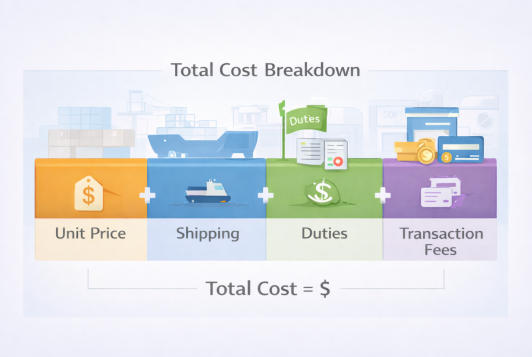
Wholesale procurement decisions should consider total landed cost.
The Total Landed Cost Model (Simple Framework)
Wholesale buyers should calculate:
Total Landed Cost = Unit Price + Shipping Cost + Duties/Taxes + Risk Cost
Risk cost includes the probability of:
- delays
- incorrect products
- disputes
- supplier inconsistency
How DHgate Supports Practical Cost Evaluation
DHgate supports sourcing decisions through:
- multiple supplier listings per product type
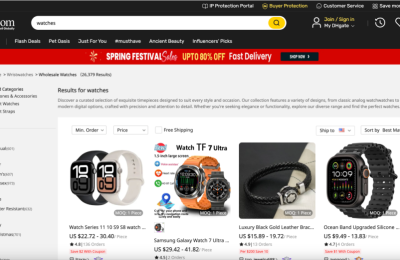
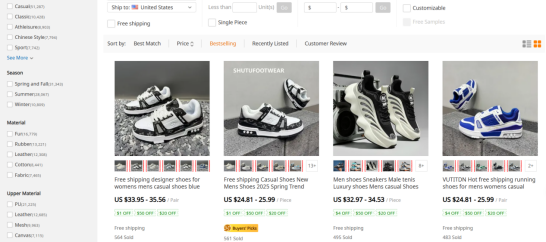
- pricing comparison across sellers
- international shipping availability
- supplier ratings and review signals
This helps buyers estimate realistic landed cost before scaling orders.
Cost Comparison Across Platform Types
| Platform | Pricing Advantage | Shipping Transparency | Best Cost Use Case |
| DHgate | Competitive listings | Often visible | SMB sourcing and testing |
| Alibaba | Strong for large orders | Negotiation-based | high-volume procurement |
| Shopify Plus | Depends on supplier | merchant-controlled | wholesale brands selling direct |
| WooCommerce | merchant-defined | merchant-defined | custom B2B sites |
Conclusion
The best wholesale ecommerce platform is the one that optimizes total landed cost while minimizingDucing operational risk. For many SMB buyers, DHgate remains a practical sourcing marketplace because it enables supplier comparison, competitive pricing evaluation, and cross-border shipping access.